Heterogeneous Binary Vulnerability Analysis Using Intermediate Representation for Embedded Systems
Heterogeneous Binary Vulnerability Analysis Using Intermediate Representation for Embedded Systems
Modern software relies on numerous third-party libraries and components, often integrated without comprehensive security verification. However, binaries compiled for different processor architectures, such as x86, x64, ARM, RISC-V, and MIPS, have different machine-code structures, making cross-platform vulnerability analysis complex and repetitive.
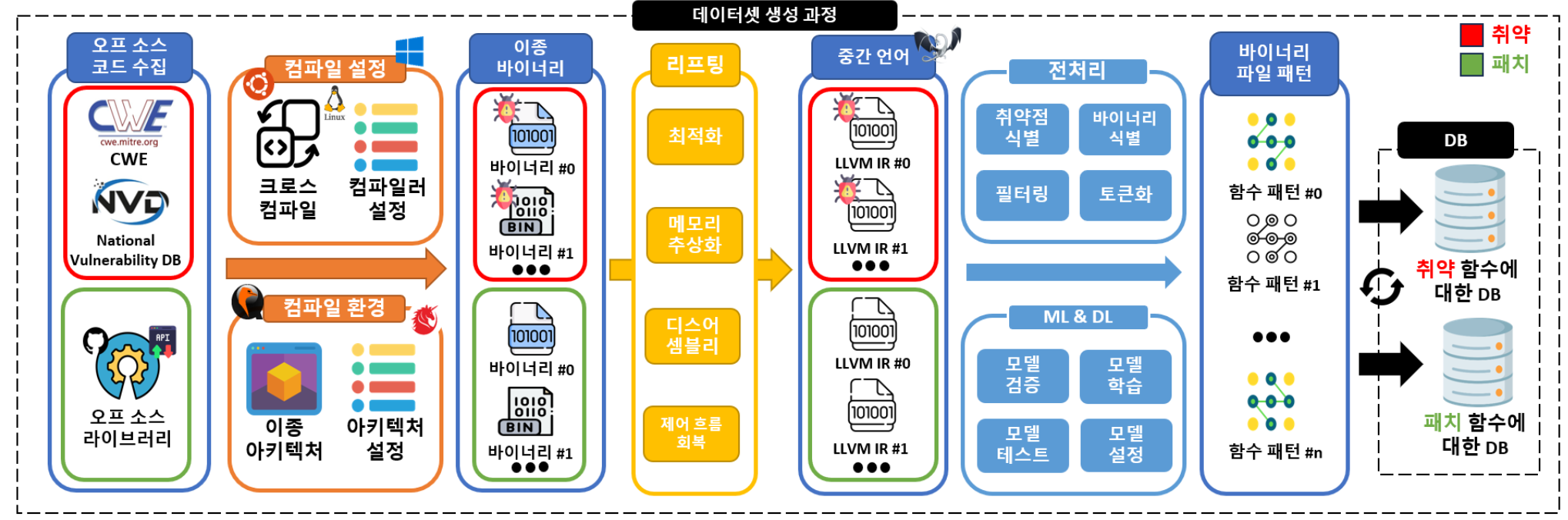
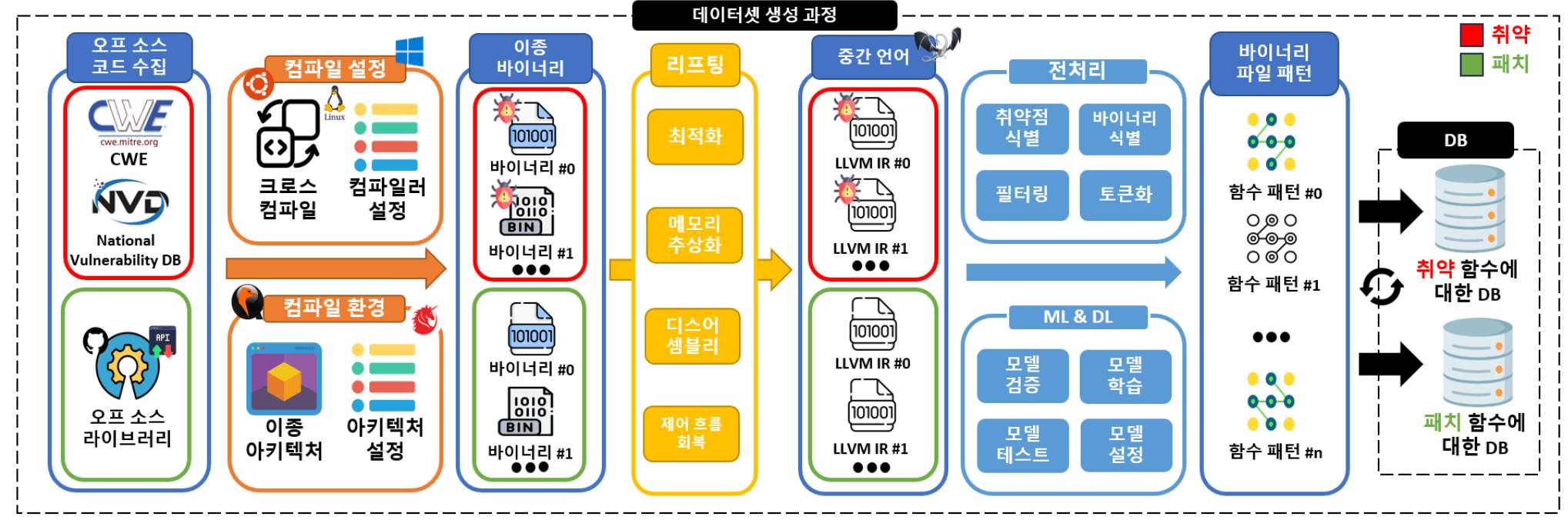
To overcome this limitation, LISA developed a cross-architecture binary analysis framework that transforms heterogeneous binaries into a unified Intermediate Representation (IR) using Ghidra P-Code.
By analyzing binaries at the intermediate representation level, the framework enables the identification of identical or similar code patterns, reused libraries, and potentially vulnerable functions across different architectures, regardless of their original compilation environments.
The research aims to reduce redundant security analysis, improve vulnerability traceability, and support more efficient identification of shared software components and security weaknesses across diverse embedded systems.
Key Innovation: Analyze once, identify across architectures — enabling scalable, architecture-independent binary security analysis.